4 Days &Beyond Mara Fly-In Safari

4 Days &Beyond Mara Fly-In Safari

Duration
4 Days, 3 Nights
Price from
$4,663 per person
Routing
Nairobi, Maasai Mara, Depart

4 Days &Beyond Mara Fly-In Safari - Safari Overview

This 4-day Masai Mara fly-in safari package is a luxury safari to the Masai Mara Reserve. It is the best way to explore the wilderness at the same time, avoid wasting too much time on the road travelling from one destination to another. The Masai is world-renowned for its breathtaking spectacle of the greatest wildlife show on earth, the awe-inspiring annual migration. Over a million wildebeests closely followed by zebras cross over from the Serengeti into the Mara after the long rains.

Trip Itinerary

Day 1 Arrival Nairobi, Fly Maasai mara

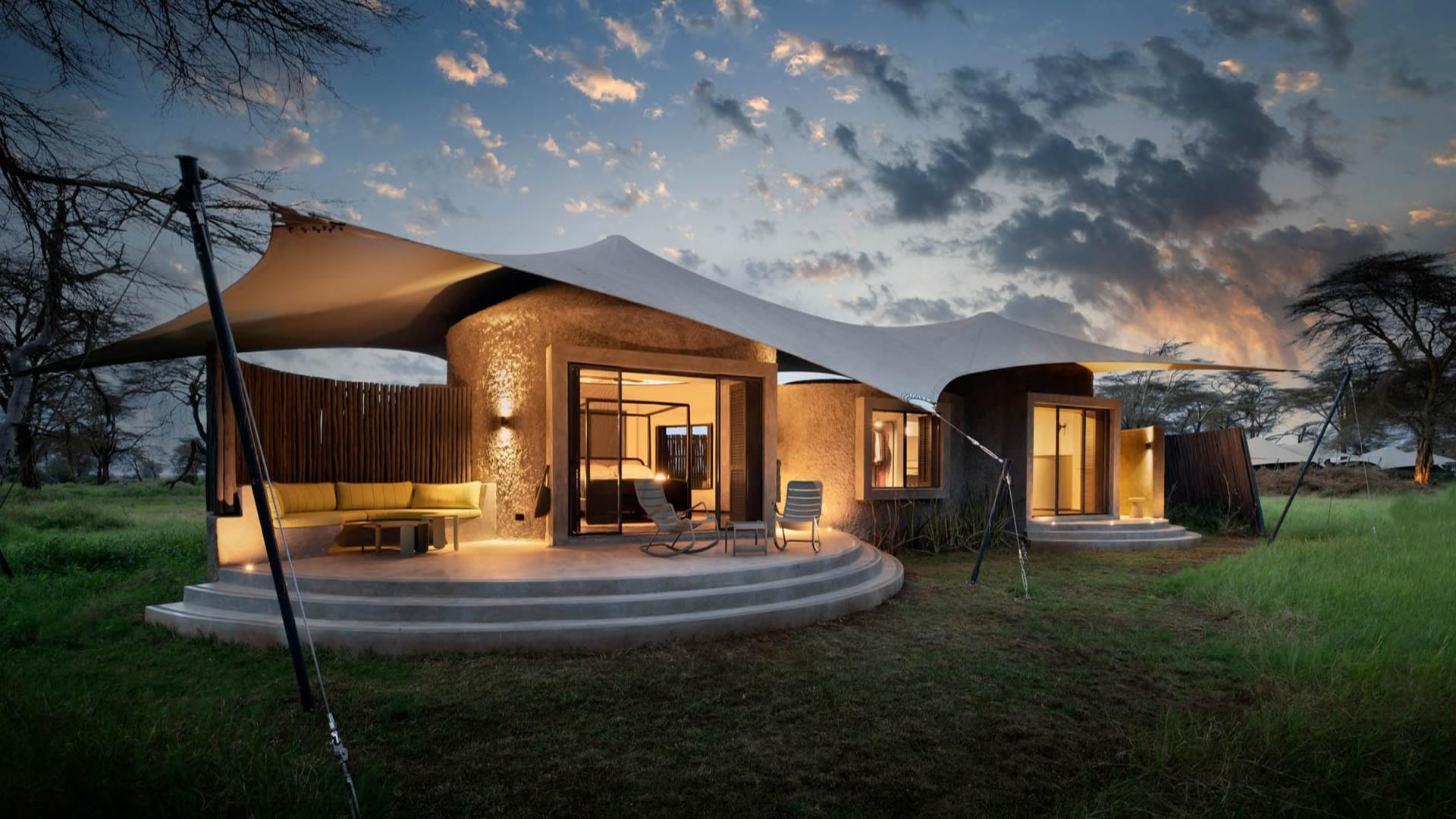
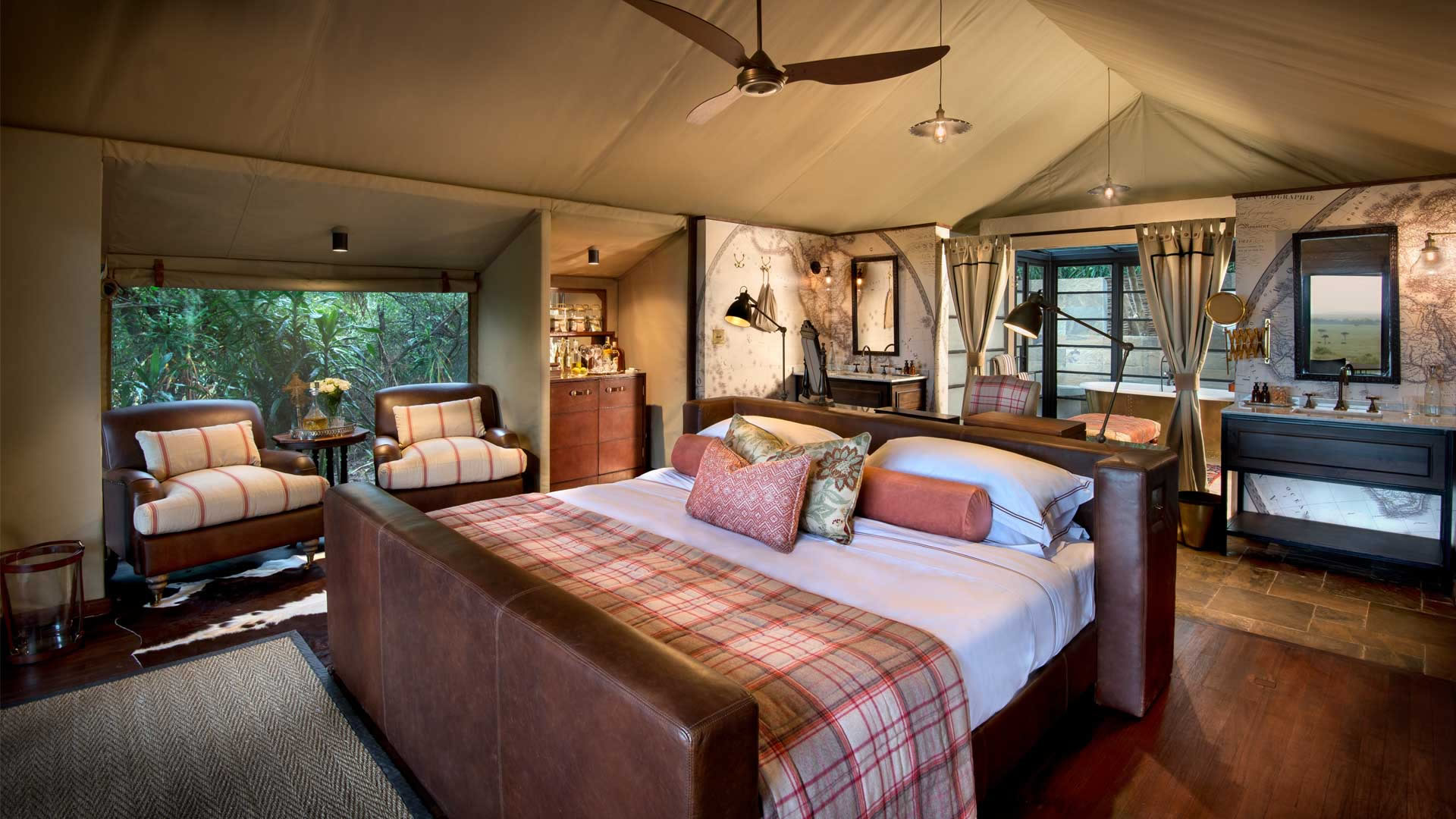
You will be picked up welcomed by a representative of Image Travel Limited in the morning at your hotel or International Airport, who will pre-brief you and assist, transfer you to Wilson Airport for your scheduled flight to Masai Mara which departs at 10:00A.m. You will arrive in Masai Mara at 11:00A.m. Upon landing on the airstrip, you will be picked up by the lodge driver and proceed to the lodge with a game drive en-route. After lunch, you will set out for the afternoon game drive. Overnight at Bateleur Camp (Tented Suites). Meal Plan: Lunch, Dinner.

Staying at &Beyond Bateleur Camp |  Meals: Lunch & Dinner
&Beyond Bateleur Camp

Day 2&3 Masai Mara - &Beyond Kichwa Tembo

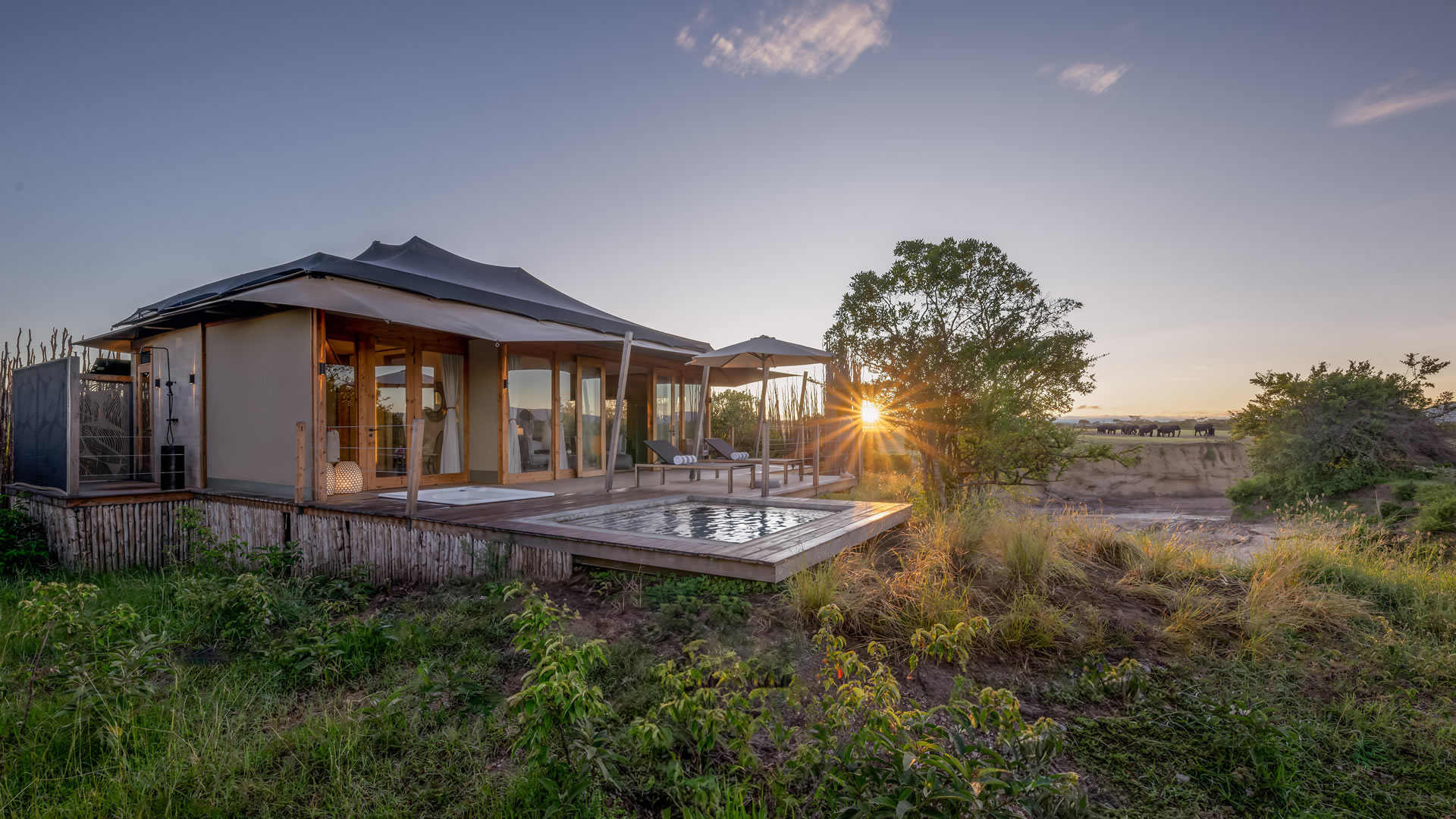
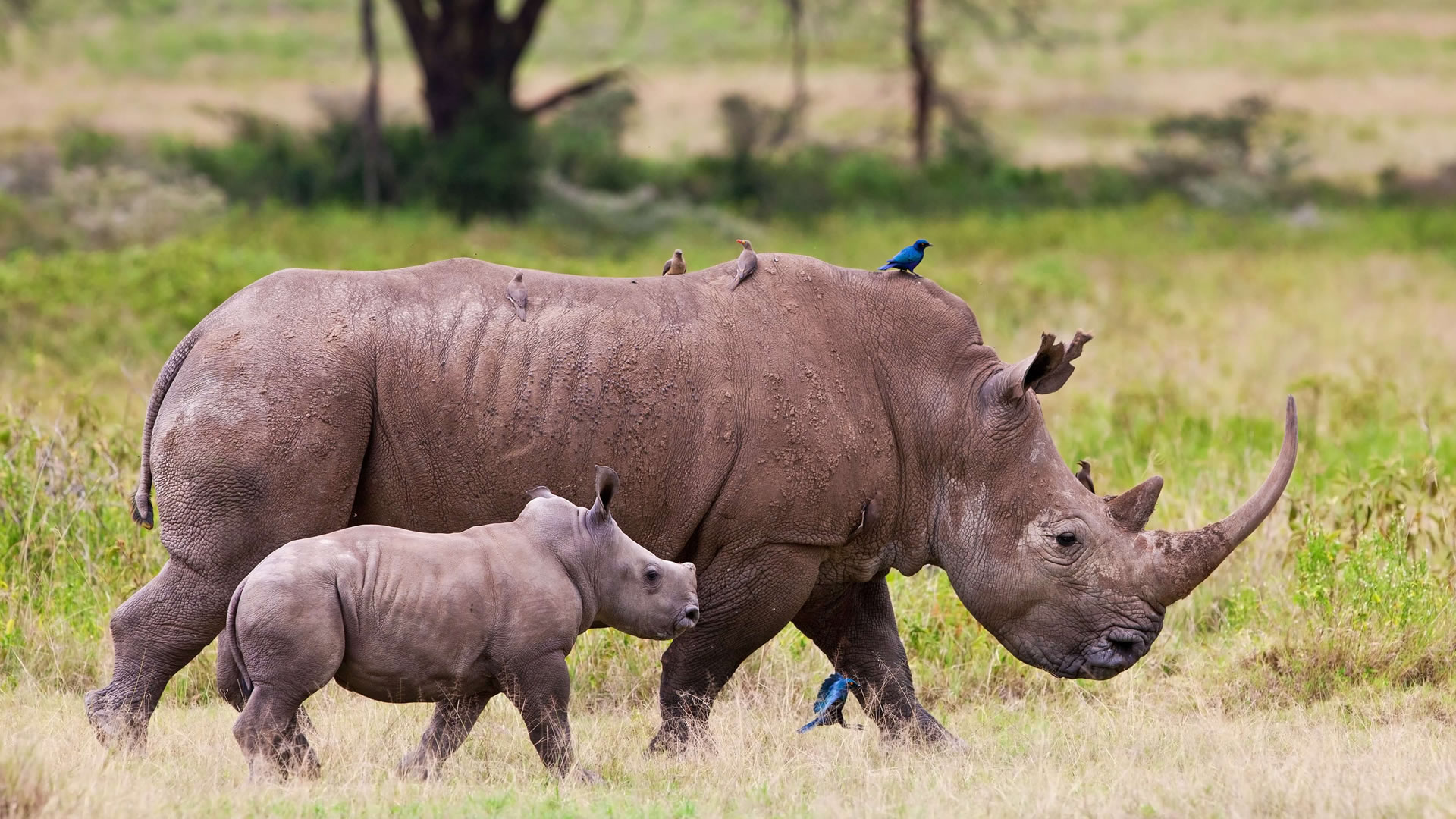
You have 2 full days to explore the park in search of the Big 5, with the possibility of seeing the annual wildebeest migration that takes place from July to October. An optional hot air balloon safari can be arranged at an extra cost of US$500. The Mara offers wildlife in such variety and abundance that it is difficult to believe - over 450 species of animals have been recorded here. You will easily see lions, rhinos, hippos, crocodiles, giraffes, wildebeests, zebras, buffaloes, warthogs, hyenas, jackals, wild dogs, leopards, many kinds of antelopes and elephants. It is in the Mara that perhaps the most spectacular event of the natural world takes place. Following on their heels are the predators of the savannah - lion, cheetah, wild dog, jackal, hyena & vulture. Your stay includes: Accommodation, Three meals daily, Soft drinks, house wines, local brand spirit and beers, teas and coffees Refreshments on game drives, Laundry, Swarovski Optik binoculars for use during stay, Emergency medical evacuation insurance, Transfers to/from the lodge airstrip, WILD Child programme, Twice daily game drives Night drives, Nature walks, Maasai performance, Maasai talks, Bush dining, Africa Foundation community programme visit. Return Air Tickets; Nairobi – Masai Mara – Masai Mara – Nairobi. Dinner and overnight at &Beyond Kichwa Tembo Camp. Meal Plan: Breakfast, Lunch, Dinner.

Staying at &Beyond Kichwa Tembo Camp |  Meals: Breakfast, Lunch, Dinner
&Beyond Kichwa Tembo Camp

Day 4 Masai Mara depart to Nairobi Wilson

You'll have breakfast at the camp. Check-out and then proceed to the airstrip with a game viewing drive on the way. Your Nairobi scheduled flight will depart Mara at 11:00AM and arrive Nairobi at 12:20PM. Upon landing in Nairobi, you will be transferred to your hotel or airport. End of Services.

Meals: Breakfast

4 Days &Beyond Mara Fly-In Safari - Price Overview


Season Travel Period Single Rate PPS Rate
High Season Jan 11, 2026 – Mar 31, 2026 $7,523 $5,318
Low Season Apr 1, 2026 – Jun 15, 2026 $6,538 $4,663
Peak Season Jun 16, 2026 – Jun 30, 2026 $12,613 $8,713
Peak Season Jul 1, 2026 – Oct 31, 2026
Dec 21, 2026 – Jan 5, 2027
$12,988 $9,088
High Season Nov 1, 2026 – Dec 20, 2026 $7,898 $5,694

Make Safari Enquiry

Related Top Trip Ideas

Popular Itineraries

The Wildebeest Migration

A simple snapshot of the famous migration phenomenon.

  • Jan
  • Feb
  • Mar
  • Apr
  • May
  • Jun
  • Jul
  • Aug
  • Sep
  • Oct
  • Nov
  • Dec

January

The herds are moving into the southern plains of the Serengeti, around Ndutu, Kusini, and Naabi. The short grasses here are rich in nutrients, preparing the females for calving.

February

This is the peak calving month. Hundreds of thousands of wildebeest calves are born, often within a few weeks of each other. This spectacle attracts a high concentration of predators, making it an excellent time for predator-prey sightings.

March

The calves are a few weeks old and growing quickly. The herds begin to spread out as they continue to graze on the southern plains, preparing for the long journey north.

April

The long rains begin, prompting the herds to start their movement northwest. They form long columns as they begin their trek through the central Serengeti.

May

The migration gathers momentum, with vast columns of wildebeest stretching for miles. The herds congregate in the Western Corridor, and the mating season, or "the rut," begins.

June

The dry season starts, and the wildebeest face their first major challenge: the Grumeti River. Thousands of animals must cross this crocodile-infested river, creating dramatic and intense encounters.

July

The herds continue their journey north, with many arriving in the northern Serengeti. The Grumeti River crossings are in full swing, and some of the first herds may begin to cross the even more treacherous Mara River.

August

This is one of the best months to witness the famous Mara River crossings. The herds are spread out across the northern Serengeti and the Maasai Mara, making multiple crossings back and forth over the river in search of greener pastures.

September

The river crossings continue, though the intensity may decrease. Large numbers of wildebeest are now grazing in the fertile plains of the Maasai Mara in Kenya.

October

As the dry season approaches its climax, the wildebeest start to slowly move back into the Serengeti from the Maasai Mara, heading east and south.

November

The short rains begin, signaling the herds to make a decisive move south towards the replenished plains of the eastern Serengeti. They make their way through the Lobo and Loliondo areas.

December

The wildebeest arrive back on the short-grass plains of the southern Serengeti and the Ngorongoro Conservation Area. They are widely dispersed, feeding on the fresh grass and getting ready for the next calving season.

Why work with Image Travel


Expert Guides Expert Guides

Experience the best game viewing in the world on a tailor-made safaris in our Great Destinations,With your knowledgeable private safari Guide/Driver,We will go the extra mile to ensure every area visited meets with your high expectations.

Value for Money Value for Money

We always strive to offer a highly competitive price – we can never guarantee to be the cheapest but we can strive to be the best. We aim to provide added value that will ensure, whatever reason for travel, you will receive an experience that will exceed your expectations.

24 Hour Support 24 Hour Support

We are very approachable and offer a 24 hour dedicated telephone number which is answered by a human being – so you can always be assured of attention and help whenever and wherever you need it.