
Amboseli National Park

Amboseli National Park

Background Info: Amboseli National Park

Amboseli is a land of wide dry plains with the vistas stretching to the farthest horizon to become one with the sky. It is dotted with green swamps among semi-arid plains of acacia trees and grasses where great herds of elephants rule the land. The park is renowned for its elephant population - large, tusked bulls, of which the most iconic Tim, a huge elephant with tusks reaching the ground. The stunning backdrop of the tallest African mountain, Kilimanjaro in Tanzania, makes Amboseli a darling for photographers and filmmakers. Amboseli is considered Kenya‘s biosphere reserve. The name Amboseli in Maa (Maasai language) means place of water, and it reveals its true nature. In its swamps live huge herds of elephants, as well as lions, leopards, and cheetahs.

Against a backdrop of looming Mount Kilimanjaro, you can see everything from lush primaeval swamps to wide, dry plains here. ‘Amboseli’ is an English corruption of the Maa word Empusel, meaning ‘salty, dry place’ but underground streams flowing from the melting ice cap on Kili keep certain areas of the park well supplied with water, which in turn attracts elephants and plenty of birds. Parts of the forested swamp have been fenced off to prevent elephants from munching their way through the trees and to allow the vegetation time to regrow. During the long rains between about March and April, the dry plain can become a shallow lake, filled with wading birds (there are 400 species here alone). Because it is quite small, Amboseli is easy for rangers to patrol and is very well kept.


Destination Highlights - Amboseli National Park

  • Elephants: Amboseli is considered one of the best places in Africa to get up close to large herds of free-roaming elephants.
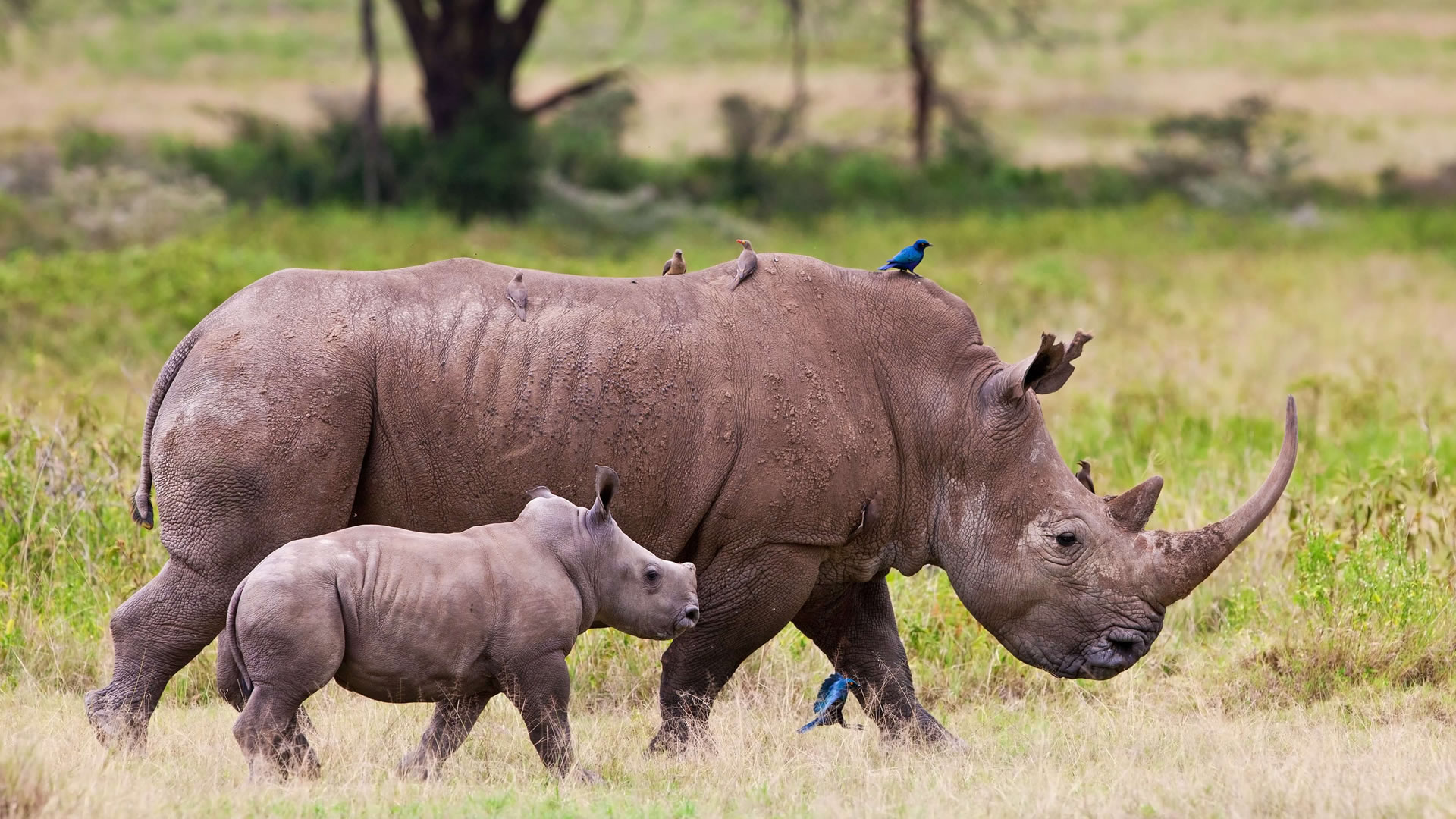
  • The Big Five: While the park is famous for its elephants, you can also spot three of the other "Big Five" (lion, leopard, and buffalo). Rhinos are generally absent from the park.
  • Birdlife: With over 400 species recorded, including a variety of water birds, Amboseli is a paradise for birdwatchers.
  • Mount Kilimanjaro: The park offers breathtaking, unobstructed views of Africa's highest peak.
  • Observation Hill: Here you can get out of your vehicle and walk. The top of the hill provides a panoramic, 360-degree view of the entire park, including the swamps and plains.
  • Maasai Culture: The Maasai people are the native owners of the land surrounding the park. Visitors can experience their unique and traditional ways.
Amboseli National Park

Amboseli National Park Wildlife Experience

The diversity of the landscape is reflected in the diversity of the game. Elephants are commonly sighted and many are known by name by the guides because they’ve been studied by researchers at the Amboseli Elephant Research Centre. There is also a baboon research centre here to find out more about these very social, inquisitive and intelligent primates. We can’t guarantee the Big 5 in Amboseli: leopard and rhino are virtually non-existent here. But don’t let that deter you as they are easily found elsewhere in Kenya (Lewa is fantastic for rhino and the Masai Mara for leopard). You won’t see the weirdly proportioned gerenuk either as they prefer the aridness of Samburu in the north.

But you should see masses of birdlife, bat-eared foxes (a very rare sighting), giraffe, lion, buffalo, cheetah, and non-migrating wildebeest. For getting your game-spotting eye ‘in’, Amboseli is ideal. Look out for Thomson’s gazelle and how they differ from impala; Maasai giraffe; Burchell’s or plains zebra; and plenty of spotted hyena (known as ‘spotties’ – there are no brown hyena here).

Locate the Amboseli National Park

Amboseli National Park

Best time to visit
The Amboseli National Park

Animals can be found in the park year-round, but July to October offers the best weather conditions for game drives. November to February is considered the best time for bird watching due to migration patterns. March to May is the long rainy season in Kenya. Conditions for game drives are not good, and the chances of sightings are lower. However, the country is incredibly beautiful this time of year, with all the flowers in full bloom.

Amboseli National Park

How to get there

Amboseli National Park sits near the Kenyan-Tanzanian border in the south of Kenya. It is a four to five-hour journey from Nairobi by car covering 240km, or seven to eight hours by car if you are travelling from Mombasa and through Tsavo West National Park. You can also take a domestic flight from Wilson airport into the airstrip at Amboseli. It is also accessible from Arusha in Tanzania if you are hopping the border to continue your African adventure from Kilimanjaro.

Amboseli National Park Birdlife

Birdwatching in Amboseli is excellent year-round, as many species are resident. However, the best time for birders is from November to April. During this period, the park receives migratory birds from Europe and North Africa, significantly increasing the bird population and diversity. This also coincides with the rainy season, when the park becomes lush and green, and many resident birds are in their vibrant breeding plumage.