Kenya is one of the iconic safari destinations in Africa. It is home to some of the most sought after wildlife reserves, including the Masai Mara, which together with the Serengeti, hosts the Great Migration from July to October.
Tanzania is a fascinating travel destination embodied by Mt Kilimanjaro, Africa's highest peak; the Serengeti National Park, home to one of the best wildlife shows in the world the wildebest migration; and the Ngorongoro Crater with its unbelievable density of animals in an exctinct caldera.
Uganda, known as 'The Pearl of Africa', is a country filled with rolling hills, adventurous activities, beautiful scenery, and most famously, the Mountain Gorillas.
Rwanda is not only the land of a thousand hills, but also a country rich in flora and fauna, particularly primates and most famously, the rare Silverback mountain gorilla. in fact, Gorilla Trekking is one of the main drawcards to this beautiful country
An East Africa Safari gives visitors the chance to witness the annual wildebeest migration, witness the Big Five, go Gorilla Trekking and encounter some of the most spectacular cultures that will leave a permanent mark in your travel experiences.
A short safari excursion is a great way to exprience the destinations you travelling. By engaging in off the track activities, you get to explore the aspects of safari outside the norms of a typical safari itinerary.
Image Travel Limited offers tailored safaris to fit both your dreams and budget,with the experience of putting together safaris throughout East Africa. We cover all four East African countries – Kenya, Tanzania,Uganda and Rwanda – regions rich in their variety of African wildlife.
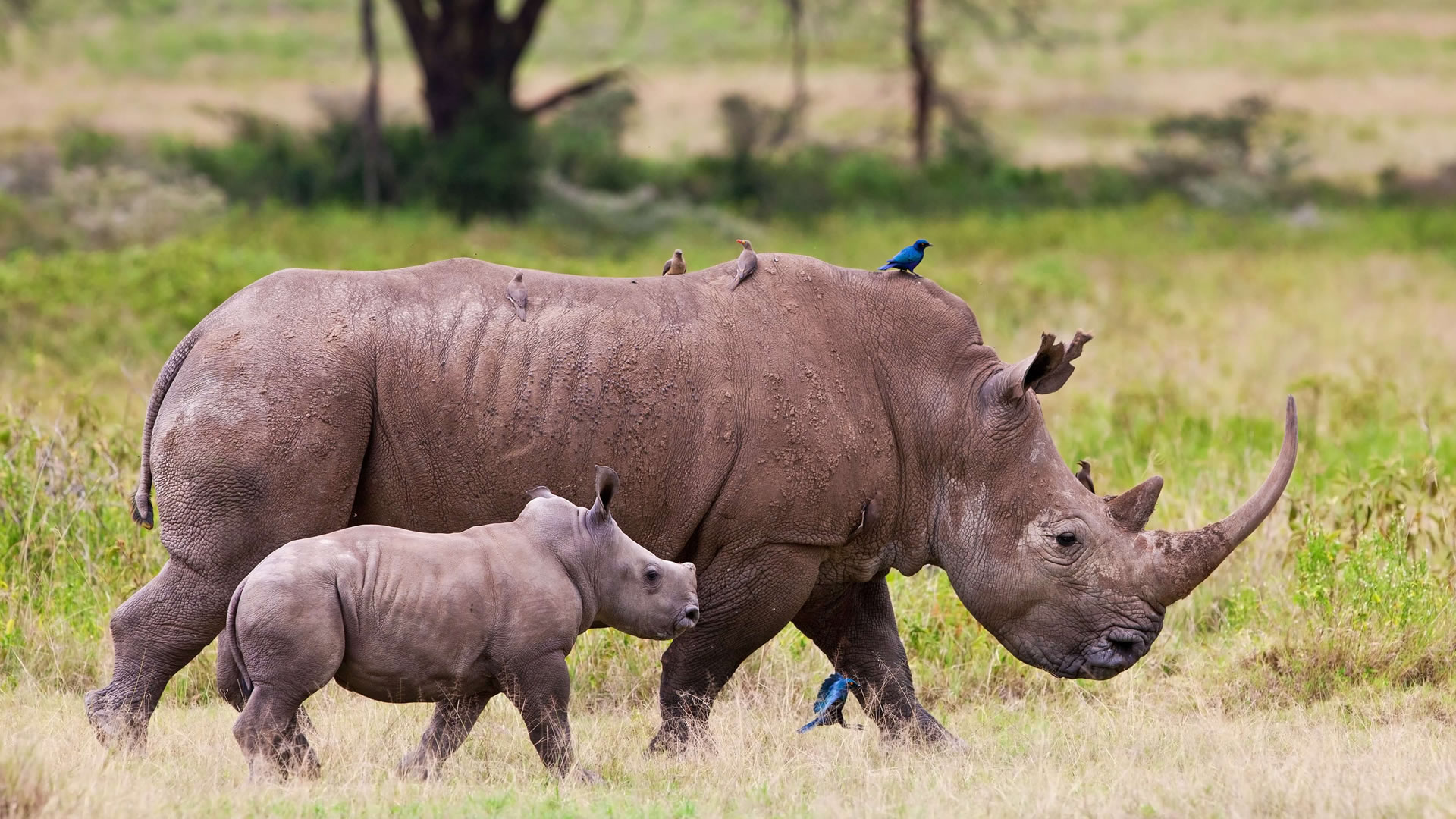
This 3 days Masai Mara road safari departing from Nairobi offers travelers an amazing safari experience. Masai Mara offers wildlife in such variety and abundance that it is difficult to believe over 450 species of animals have been recorded here.
Trip Itinerary
Day 1 Nairobi- Masai Mara National Reserve
Our driver will pick you up at your hotel to Start the safari, you will depart for a scenic drive down into the Rift Valley, to Masai Mara, Kenya's premier game reserve. You will be in your own private safari vehicle. Stop briefly at the Great Rift Valley viewpoint for stunning views of what is the world's largest valley. Arrive at Masai Mara for lunch. The afternoon game drive at 3.30 pm allows spotting of the unrivalled wildlife in the park. Return to your camp by 6.30pm. Dinner and overnight at Mara Serena lodge. Meal Plan: Lunch, Dinner.
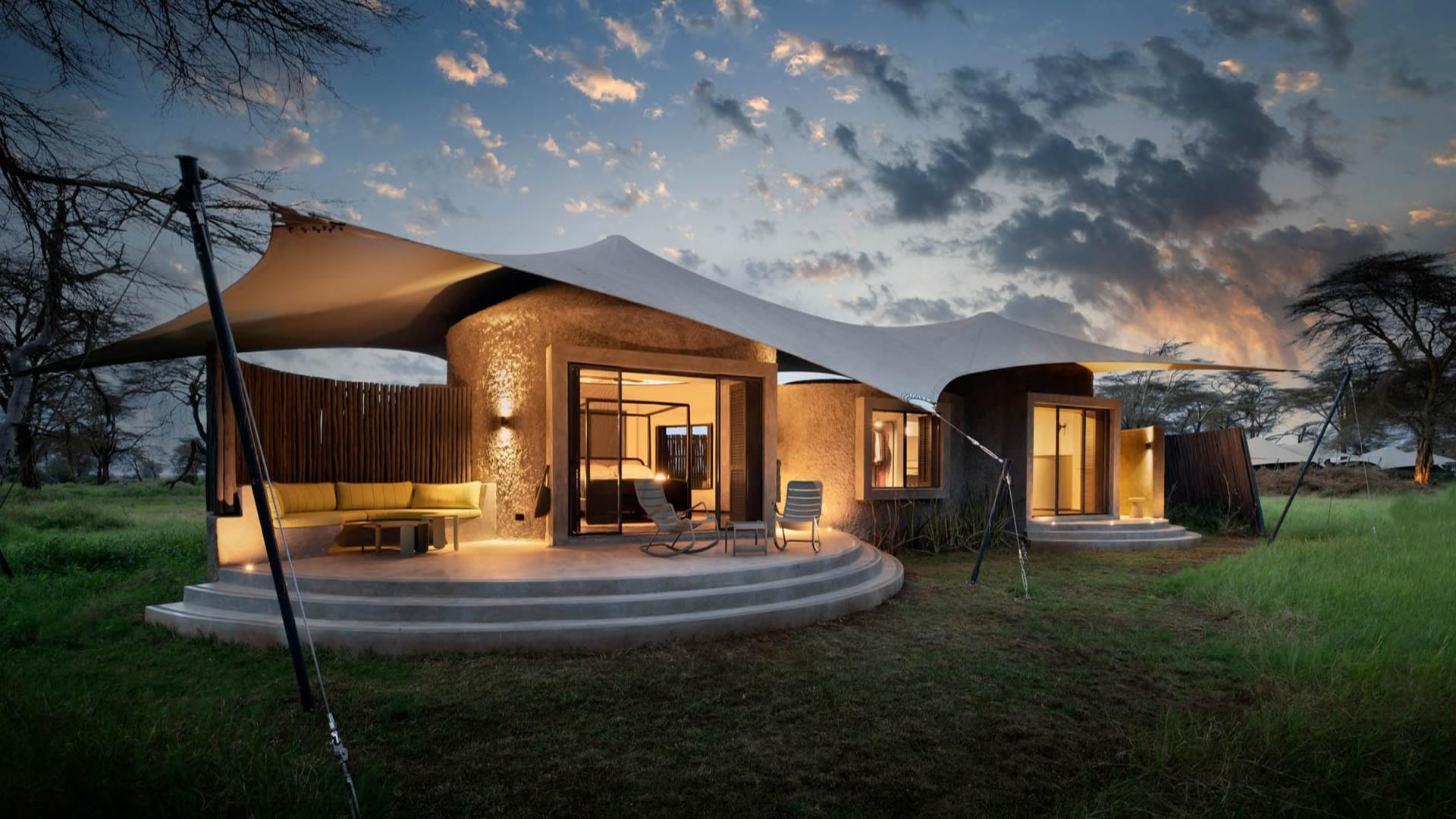
Staying at
Mara Serena Safari Lodge | Meals: Lunch, Dinner
Day 2 Masai Mara National Reserve - Mara Serena Safari Lodge
After breakfast we have a full day dame drive, with packed lunch provided. The reserve is well known for its black-manned lion, as well as its abundant resident wildlife and its one of the few places where it's possible to see the big five during a morning's game drive. Many of the cheetahs are so tame they seek shelter from the hot sun under one's vehicle and several even climb onto the roof to get better view of prospective prey. For the bird enthusiast, almost 500 species have been recorded. Most breathtaking of all are the months between July and October, when the savannah teems with animals during the Great Wildebeest Migration. Millions of wildebeest gather in the Masai Mara in one of the natural wonders of the world. You may want to add Optional activities a Maasai Village visit or a Hot air Balloon ride into your safari. Dinner and overnight at Mara Serena lodge. Meal Plan: Lunch, Dinner.
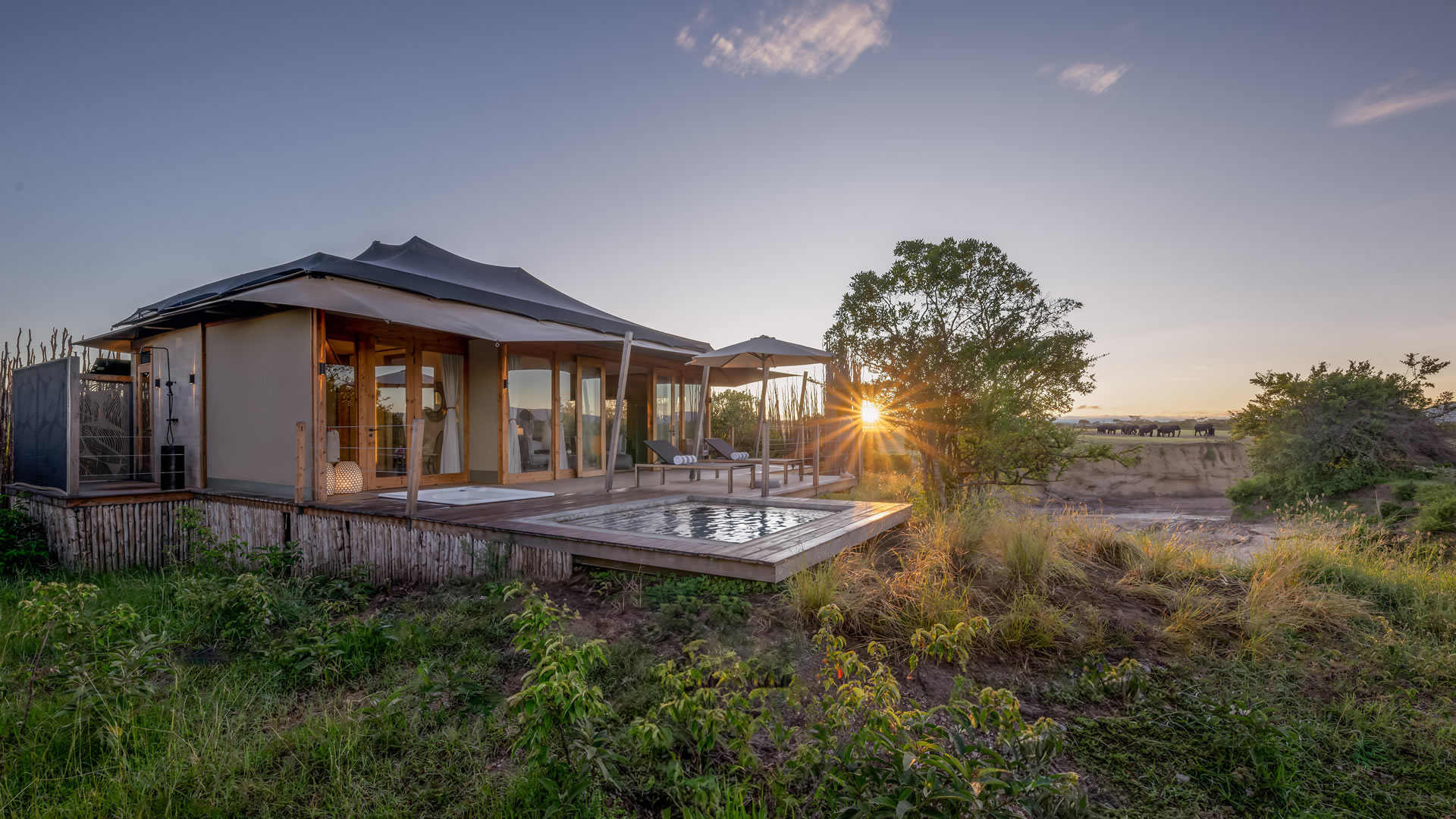
Staying at
Mara Serena Safari Lodge | Meals: Breakfast, Lunch, Dinner
Day 3 Masai Mara National Reserve - Nairobi
After breakfast and check out by 8.30am, depart for a return road transfer back to Nairobi. Arrive Nairobi in the afternoon. Drop off at Jomo Kenyatta International airport for your home bound or at your Nairobi Hotel. Meal plan: Breakfast.
Meals: Breakfast
3 Days Mara Serena Road Safari - Price Overview
Season
Travel Period
2 Pax PPS
4 Pax PPS
6 Pax PPS
8 Pax PPS
High Season
Jan 3, 2026 – Feb 28, 2026
Apr 18, 2026 – Apr 21, 2026
The herds are moving into the southern plains of the Serengeti, around Ndutu, Kusini, and Naabi. The short grasses here are rich in nutrients, preparing the females for calving.
February
This is the peak calving month. Hundreds of thousands of wildebeest calves are born, often within a few weeks of each other. This spectacle attracts a high concentration of predators, making it an excellent time for predator-prey sightings.
March
The calves are a few weeks old and growing quickly. The herds begin to spread out as they continue to graze on the southern plains, preparing for the long journey north.
April
The long rains begin, prompting the herds to start their movement northwest. They form long columns as they begin their trek through the central Serengeti.
May
The migration gathers momentum, with vast columns of wildebeest stretching for miles. The herds congregate in the Western Corridor, and the mating season, or "the rut," begins.
June
The dry season starts, and the wildebeest face their first major challenge: the Grumeti River. Thousands of animals must cross this crocodile-infested river, creating dramatic and intense encounters.
July
The herds continue their journey north, with many arriving in the northern Serengeti. The Grumeti River crossings are in full swing, and some of the first herds may begin to cross the even more treacherous Mara River.
August
This is one of the best months to witness the famous Mara River crossings. The herds are spread out across the northern Serengeti and the Maasai Mara, making multiple crossings back and forth over the river in search of greener pastures.
September
The river crossings continue, though the intensity may decrease. Large numbers of wildebeest are now grazing in the fertile plains of the Maasai Mara in Kenya.
October
As the dry season approaches its climax, the wildebeest start to slowly move back into the Serengeti from the Maasai Mara, heading east and south.
November
The short rains begin, signaling the herds to make a decisive move south towards the replenished plains of the eastern Serengeti. They make their way through the Lobo and Loliondo areas.
December
The wildebeest arrive back on the short-grass plains of the southern Serengeti and the Ngorongoro Conservation Area. They are widely dispersed, feeding on the fresh grass and getting ready for the next calving season.
Why work with Image Travel
Expert Guides
Experience the best game viewing in the world on a tailor-made safaris in our Great Destinations,With your knowledgeable private safari Guide/Driver,We will go the extra mile to ensure every area visited meets with your high expectations.
Value for Money
We always strive to offer a highly competitive price – we can never guarantee to be the cheapest but we can strive to be the best. We aim to provide added value that will ensure, whatever reason for travel, you will receive an experience that will exceed your expectations.
24 Hour Support
We are very approachable and offer a 24 hour dedicated telephone number which is answered by a human being – so you can always be assured of attention and help whenever and wherever you need it.