8 Days Sopa Lodges Road Experience

8 Days Sopa Lodges Road Experience

Duration
8 Days, 7 Nights
Price from
$1,962 per person
Routing
Nairobi, Samburu, Lake Nakuru, Maasai Mara, Naivasha, Amboseli, Depart

8 Days Sopa Lodges Road Experience - Safari Overview

This is the classic Kenyan safari offering you 2 nights at samburu national park with game viewing opportunities, a chance to experience the fabulous flamingos of the lovely Rift Valley Lake Nakuru, the world famous Masai Mara reserve, Lake Naivasha which is a beautiful freshwater lake, fringed by thick papyrus and crown your safari with Amboseli.


Trip Itinerary

Day 1 Samburu National Reserve - Samburu Sopa Lodge

After breakfast we depart north via Nanyuki for the Samburu Game Reserve set in the rugged, semi-arid northern region of Kenya, with a spectacular scenic landscape. Arrive in time for lunch, a short siesta then heads out for an afternoon game viewing drive. The water of the great Ewaso Nyiro River, dotted with doum palms meanders through the reserve giving it an oasis setting and draws wildlife in great numbers to its banks. The verdant riverine forest is a stark contrast to the arid thorn studded plains. Samburu is visited by large herds of Elephants, drawn by the promise of water. In the dry season, the elephants use their tusks to dig deep into the dry river beds, unearthing precious water. These waterholes then become a focal point for other games. The Samburu region is the best place to find several endemic Northern species; including the Gerenuk (twiga gazelle) due to her long neck, the beisa Oryx, the reticulated giraffe, the Somali ostrich and Grevy’s Zebra. Samburu is also an ornithological paradise, home to many birds including local species such as the Palm Nut Vulture and the Vinaceous Dove. Leopards are often seen at dusk. Overnight at Samburu Sopa Lodge. Meal Plan: Lunch, Dinner.

Staying at Samburu Sopa Lodge |  Meals: Lunch, Dinner
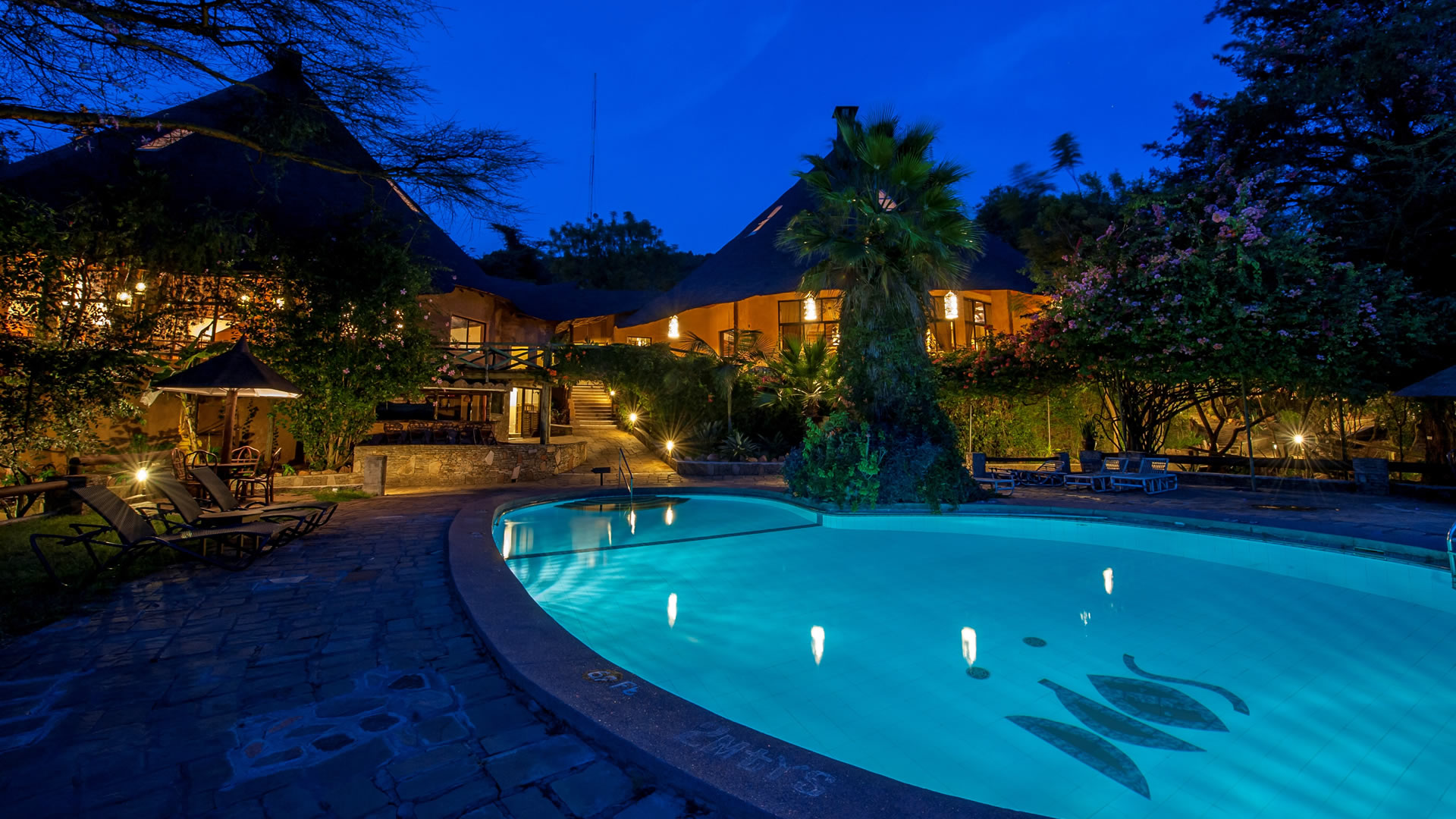
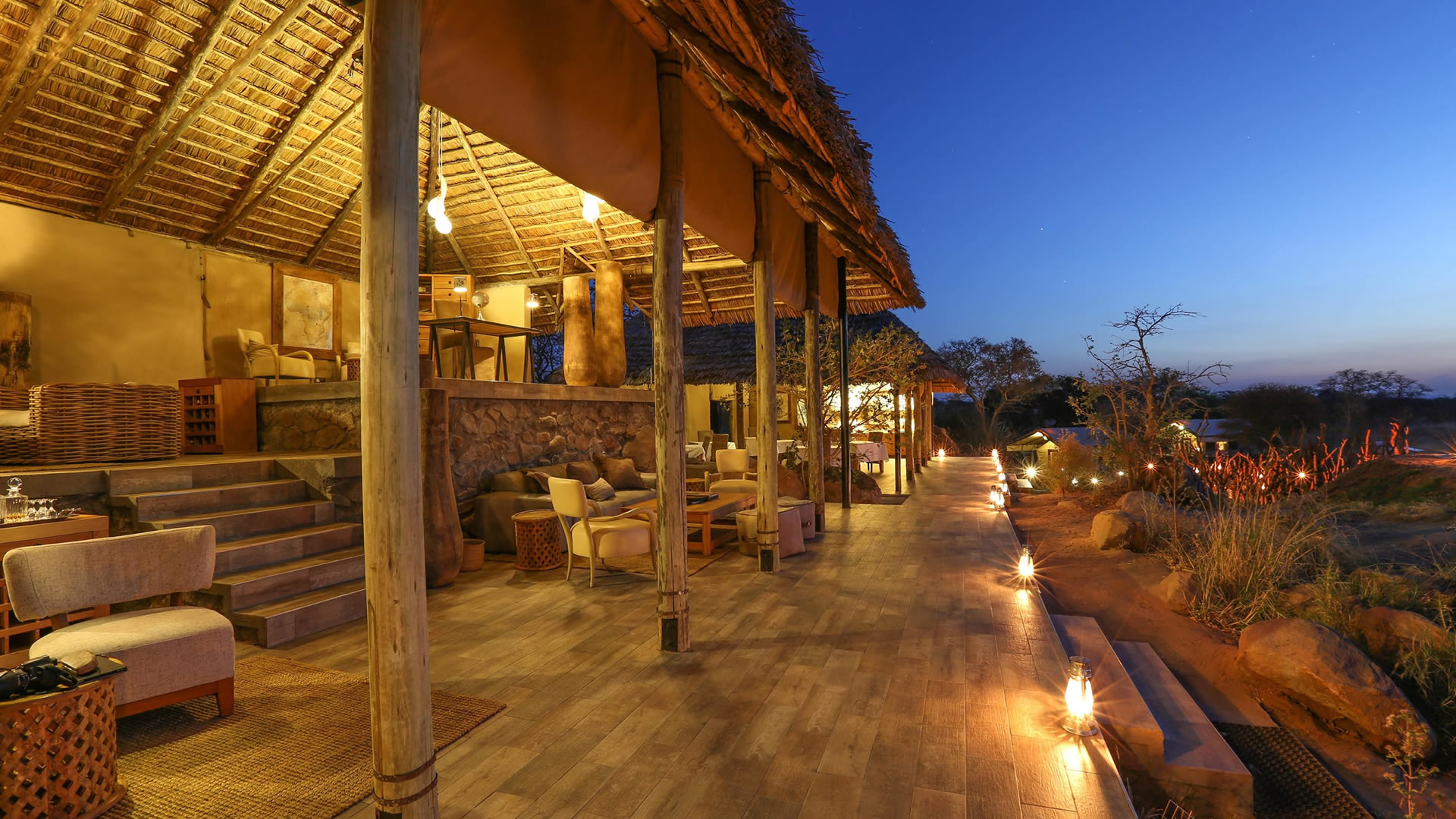
Samburu Sopa Lodge
Samburu Sopa Lodge

Day 2 Samburu National Reserve - Samburu Sopa Lodge

Enjoy morning and afternoon game viewing in both Samburu and Buffalo Springs game reserves. Leopards are often seen at dusk. The Samburu culture is a truly fascinating one, sharing a great deal of ancestral and linguistic ties to the Maasai. The entire Samburu region is a place of breathtaking and magical beauty, a place where the vision of a deep red sunset silhouetting the doum palms along the river as a leopard emerges to hunt brings the perfect end to a day on safari…… Enjoy meals and overnight at Samburu Sopa Lodge. Meal Plan: Breakfast, Lunch, Dinner.

Staying at Samburu Sopa Lodge |  Meals: Lunch, Dinner
Samburu Sopa Lodge
Samburu Sopa Lodge

Day 3 Lake Nakuru National Park - Lake Nakuru Sopa Lodge

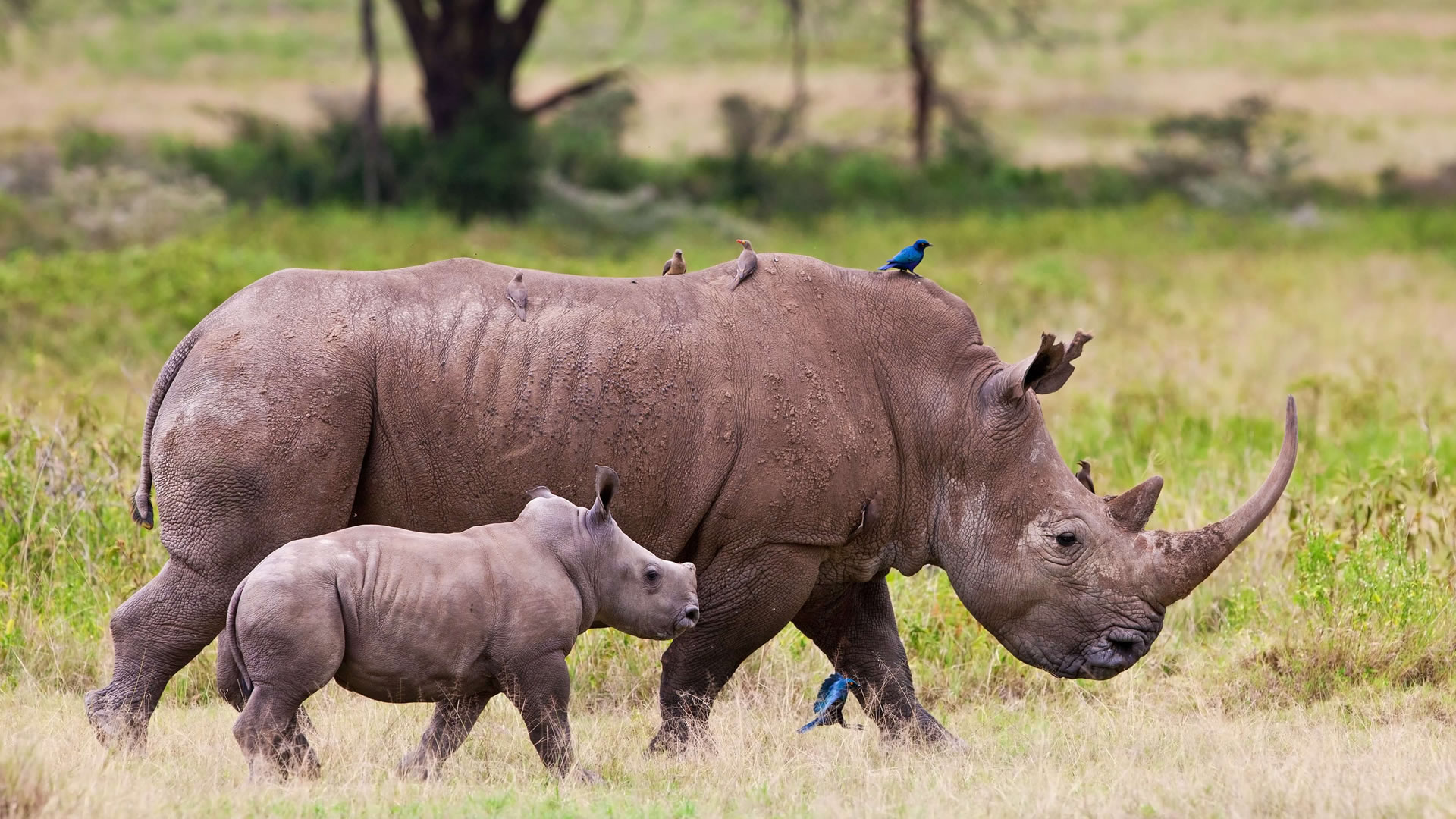
We will depart Samburu in the morning and drive along the floor of the Great Rift Valley to Lake Nakuru National Park, arriving in time for lunch. The park is Kenya’s first rhino sanctuary and features one of the largest concentrations of black rhinoceros in the world, as well as a large population of white rhino. Also of interest is an area fenced off as a sanctuary to protect Rothschild giraffes. Predators here include lions, leopards, and large pythons hiding in the dense woodlands—which may occasionally be seen crossing roads or dangling from trees. Other game includes Thomson’s and Grant’s gazelle, the long- eared leaf-nosed bat, colobus monkey, rock hyrax, hippo, waterbuck, impala, striped hyena, bat-eared fox, wildcat, reedbuck, and golden cat. Dinner and your overnight stay will be at the Lake Nakuru Sopa Lodge. Meal Plan: Breakfast, Lunch, Dinner.

Staying at Lake Nakuru Sopa Lodge |  Meals: Lunch, Dinner
Lake Nakuru Sopa Lodge

Day 4 Masai Mara National Reserve - Mara Sopa Lodge

After breakfast at your lodge, traverse the Rift Valley and ascend its western rim into the Masai land. Red-clad, with spear Masai warriors tend their herds of cattle among the wildlife, admirably unmoved by the presence of large predators. The most spectacular feature in the Mara is the annual migration of wildebeest, zebra and gazelle from the plains of Serengeti that cross the Tanzanian border and rivers to reach the Mara’s grasslands from late June, tracked by predators and circled by vultures as the journey unfolds. Arrive in time for lunch at your lodge. Depart for an afternoon game-drive in search of wildlife. Overnight at Mara Sopa Lodge on a full board basis. Meal Plan: Breakfast, Lunch, Dinner.

Staying at Mara Sopa Lodge |  Meals: Breakfast, Lunch, Dinner
Mara Sopa Lodge
Mara Sopa Lodge

Day 5 Masai Mara National Reserve - Mara Sopa Lodge

The full day spent exploring the park in search of the “Big Five.” An optional hot air balloon safari can be arranged at an extra cost of $450 USD per person. The Mara offers wildlife in such variety and abundance that it is difficult to believe—over 450 species of animals have been recorded here. You will easily see lions, rhinos, hippos, crocodiles, giraffes, wildebeests, zebras, buffalo, warthogs, hyenas, jackals, wild dogs, buffalo, leopard, many kinds of antelopes, and elephants. It is here that the most spectacular event of the natural world takes place: the annual migration of millions of wildebeest and zebras from the Serengeti in search of water and pasture. Following on their heels are the predators of the savanna: lion, cheetah, wild dog, jackal, hyena, and vultures. An optional visit to a local Masai village ($35USD) can also be arranged. Dinner and your overnight stay will be at Masai Mara Sopa Lodge. Meal Plan: Breakfast, Lunch, Dinner.

Staying at Mara Sopa Lodge |  Meals: Breakfast, Lunch, Dinner
Mara Sopa Lodge
Mara Sopa Lodge

Day 6 Lake Naivasha - Lake Naivasha Sopa Resort

After breakfast we will drive to Lake Naivasha—the highest and purest of the Great Rift Valley lakes. This area is famous for its birdlife. It is a breeding ground for pelicans, fish eagles, cormorants, and many more. You will also find other animals such as hippos, zebras, antelopes, and Colobus monkeys. In the afternoon you’ll take a boat ride along Lake Naivasha to Crescent Island, where you will be doing a nature walk next to zebras, giraffes, wildebeest,waterbucks, antelopes, and many types of birds. You might also see zebras and giraffes close to the lakeshore. Dinner and your overnight stay will be at the Lake Naivasha Sopa Resort. Meal Plan: Breakfast, Lunch, Dinner.

Staying at Lake Naivasha Sopa Resort |  Meals: Breakfast, Lunch, Dinner
Lake Naivasha Sopa Resort

Day 7 Amboseli National Park - Amboseli Sopa Lodge

After an early, sumptuous breakfast, you’ll depart for Amboseli National Park, which is truly classic Africa. Set in rolling savannah scenery, it is dwarfed by the presence of the pink-tinged, snow-capped peak of Mount Kilimanjaro, which is the highest free-standing volcanic mountain in the world and topped by one-fifth of all the ice in Africa. Against this magnificent backdrop, vast herds of elephant are accompanied by a kaleidoscope of other fabulous animals, including lion, buffalo, cheetah, giraffe, baboon, gazelle, hippo, and wildebeest. You’ll arrive at your preferred choice of accommodation in time for check-in and some delicious lunch. The afternoon will be spent on a game drive in search of the “Big Five” and other animals. Dinner and your overnight stay will be at the at Amboseli Sopa Lodge. Meal Plan: Breakfast, Lunch, Dinner.

Staying at Amboseli Sopa Lodge |  Meals: Lunch, Dinner
Amboseli Sopa Lodge
Amboseli Sopa Lodge

Day 7 Amboseli - Nairobi

After an early morning game drive, you’ll return to the camp and eat breakfast before checking out of the lodge. You’ll enjoy a game drive en route to Nairobi, where you’ll be transferred to the airport or your Nairobi Hotel. Meal Plan: Breakfast, End of services.

Meals: Breakfast

8 Days Sopa Lodges Road Experience - Price Overview


Season Travel Period 2 Pax PPS 4 Pax PPS 6 Pax PPS 8 Pax PPS
High Season Jan 3, 2026 – Mar 31, 2026
Jun 1, 2026 – Jun 30, 2026
$3,123 $2,523 $2,323 $2,223
Low Season Apr 1, 2026 – May 31, 2026 $2,862 $2,262 $2,061 $1,962
Peak Season Jul 1, 2026 – Oct 31, 2026
Dec 22, 2026 – Jan 2, 2027
$3,697 $3,097 $2,896 $2,797
High Season Nov 1, 2026 – Dec 21, 2026 $3,363 $2,763 $2,563 $2,463

Make Safari Enquiry

Related Top Trip Ideas

Popular Itineraries

The Wildebeest Migration

A simple snapshot of the famous migration phenomenon.

  • Jan
  • Feb
  • Mar
  • Apr
  • May
  • Jun
  • Jul
  • Aug
  • Sep
  • Oct
  • Nov
  • Dec

January

The herds are moving into the southern plains of the Serengeti, around Ndutu, Kusini, and Naabi. The short grasses here are rich in nutrients, preparing the females for calving.

February

This is the peak calving month. Hundreds of thousands of wildebeest calves are born, often within a few weeks of each other. This spectacle attracts a high concentration of predators, making it an excellent time for predator-prey sightings.

March

The calves are a few weeks old and growing quickly. The herds begin to spread out as they continue to graze on the southern plains, preparing for the long journey north.

April

The long rains begin, prompting the herds to start their movement northwest. They form long columns as they begin their trek through the central Serengeti.

May

The migration gathers momentum, with vast columns of wildebeest stretching for miles. The herds congregate in the Western Corridor, and the mating season, or "the rut," begins.

June

The dry season starts, and the wildebeest face their first major challenge: the Grumeti River. Thousands of animals must cross this crocodile-infested river, creating dramatic and intense encounters.

July

The herds continue their journey north, with many arriving in the northern Serengeti. The Grumeti River crossings are in full swing, and some of the first herds may begin to cross the even more treacherous Mara River.

August

This is one of the best months to witness the famous Mara River crossings. The herds are spread out across the northern Serengeti and the Maasai Mara, making multiple crossings back and forth over the river in search of greener pastures.

September

The river crossings continue, though the intensity may decrease. Large numbers of wildebeest are now grazing in the fertile plains of the Maasai Mara in Kenya.

October

As the dry season approaches its climax, the wildebeest start to slowly move back into the Serengeti from the Maasai Mara, heading east and south.

November

The short rains begin, signaling the herds to make a decisive move south towards the replenished plains of the eastern Serengeti. They make their way through the Lobo and Loliondo areas.

December

The wildebeest arrive back on the short-grass plains of the southern Serengeti and the Ngorongoro Conservation Area. They are widely dispersed, feeding on the fresh grass and getting ready for the next calving season.

Why work with Image Travel


Expert Guides Expert Guides

Experience the best game viewing in the world on a tailor-made safaris in our Great Destinations,With your knowledgeable private safari Guide/Driver,We will go the extra mile to ensure every area visited meets with your high expectations.

Value for Money Value for Money

We always strive to offer a highly competitive price – we can never guarantee to be the cheapest but we can strive to be the best. We aim to provide added value that will ensure, whatever reason for travel, you will receive an experience that will exceed your expectations.

24 Hour Support 24 Hour Support

We are very approachable and offer a 24 hour dedicated telephone number which is answered by a human being – so you can always be assured of attention and help whenever and wherever you need it.